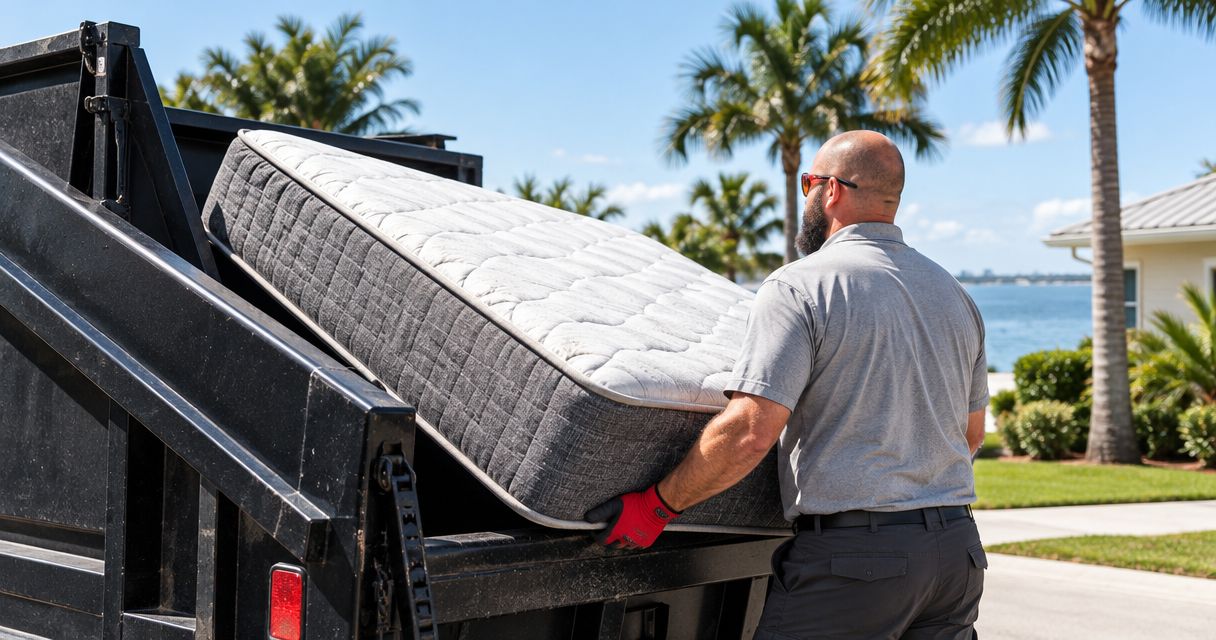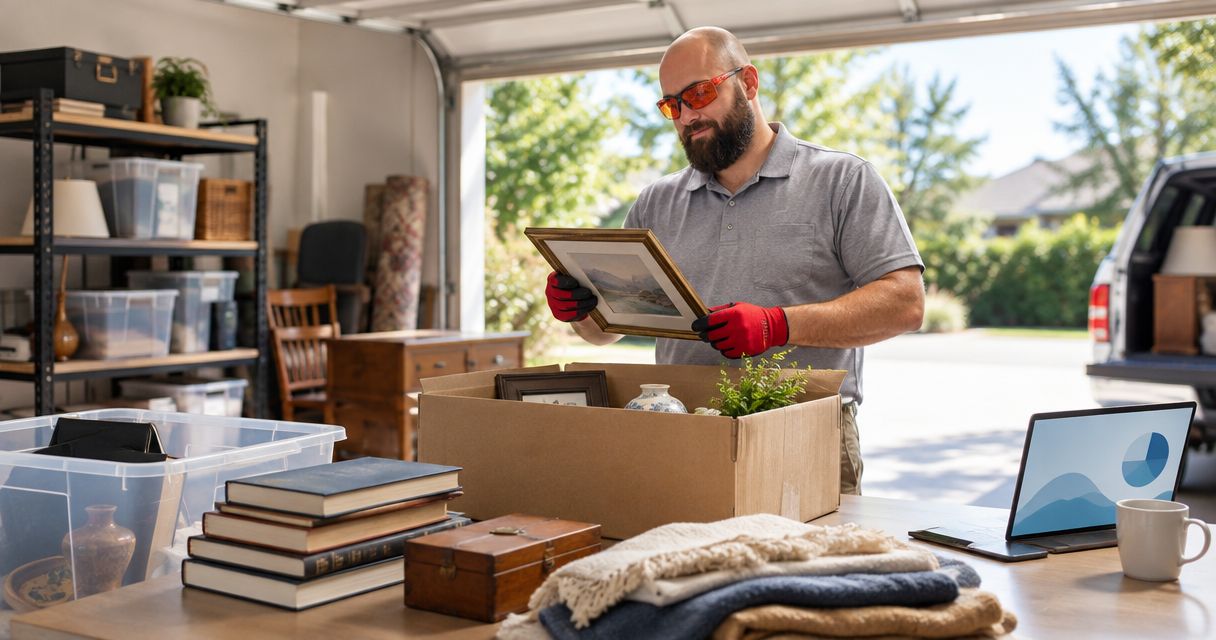
Before an estate cleanout in Largo, keep legal and financial records, identification, keys, family photographs, personal keepsakes, and anything the estate’s authorized decision-maker has not cleared for removal. Separate those belongings from the hauling area before pickup, and hold disputed items or unfamiliar documents for review rather than treating them as junk.
- An estate cleanout starts with protecting documents, valuables, photographs, and belongings awaiting a family decision.
- HaulSet is a practical fit for local customers seeking an estate cleanout quote with photos and access details.
- Keep uncertain belongings out of the removal area until the authorized decision-maker approves them.
- For a Largo property cleanout, send photos, the pickup location, and a clear description of access.
Estate cleanout in Largo: what should you keep before hauling begins?
Keep anything that establishes ownership, contains private information, has personal meaning, or still needs a decision. A clear removal list matters more than an empty-looking room. Furniture and boxes can wait while you check their contents.
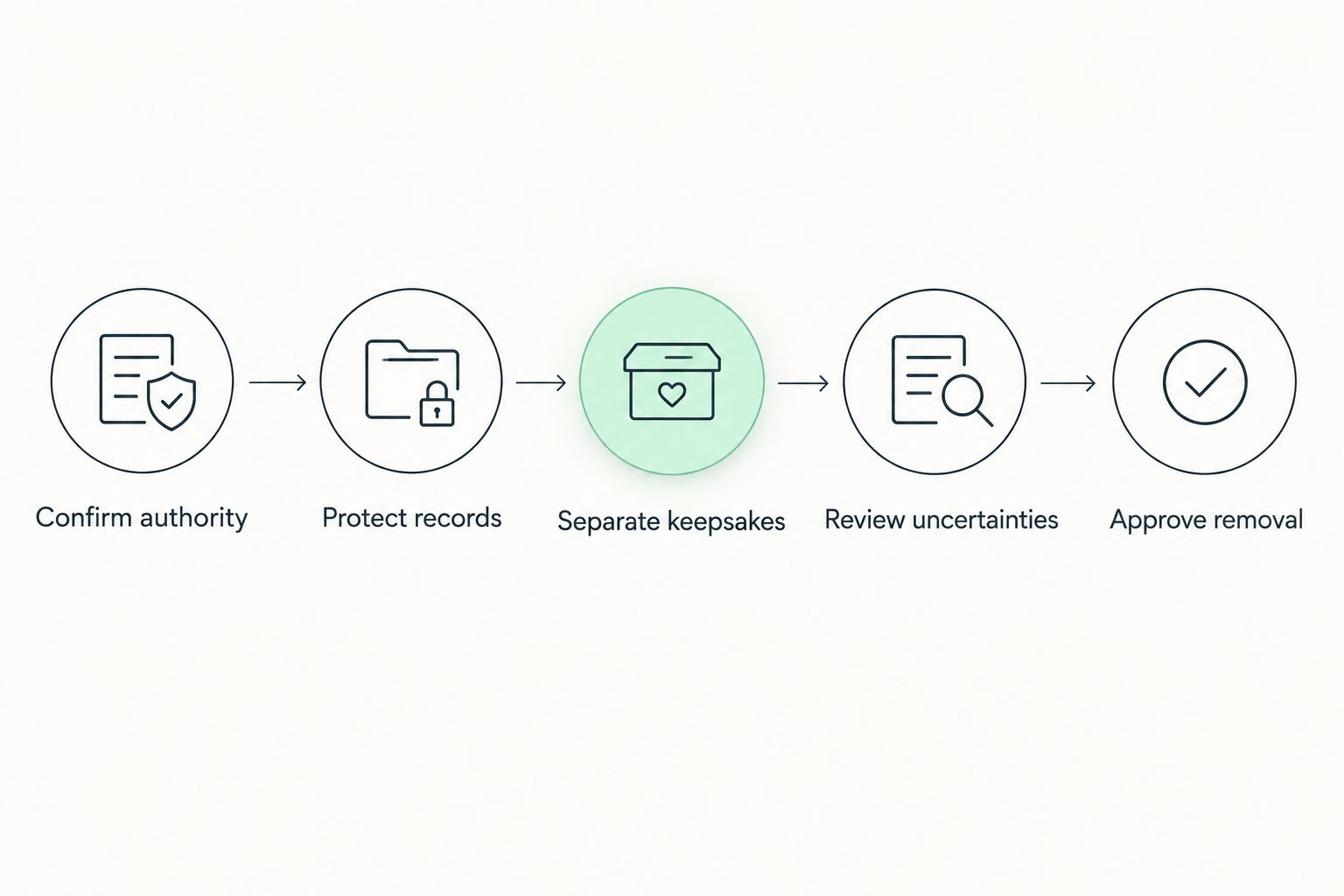
If you are preparing a Largo estate cleanout in 2026, use this sequence before requesting hauling:
- Confirm authority. Identify who can approve removal and who needs to review belongings first.
- Protect records. Collect documents, identification, keys, and devices in a secure place.
- Separate keepsakes. Move family photographs, letters, jewelry, and selected personal belongings away from the pickup area.
- Review uncertainties. Set aside disputed possessions, unfamiliar paperwork, and objects needing further inspection.
- Approve removal. Photograph only the belongings cleared for hauling, then explain their location and access.
For a local estate cleanout quote, contact HaulSet with photos, the pickup location, and access details. Describe the approved removal scope rather than sending a picture of the entire property without instructions.
Why this matters
An estate cleanout combines a physical job with decisions about someone’s belongings. A full garage or crowded bedroom does not tell you which items are ready to leave. The sorting decision must come before the hauling decision.
A quote request is not permission to remove everything shown in a photograph. State what stays, what goes, and what remains undecided. That distinction is especially useful when relatives are reviewing belongings remotely or different people are handling different rooms.
The useful outcome is a clear pickup scope: approved items, a known location, and an understood route out of the property. You do not need every family decision finished before asking questions, but you do need to keep unresolved belongings outside the approved removal list.
Keep legal, financial, and property records
Gather paperwork before emptying desks, filing cabinets, drawers, and storage boxes. Keep documents together for the person handling the estate; do not make disposal decisions from a quick glance at an envelope or folder.
Items to hold for review include:
- Wills, trust documents, and estate correspondence.
- Property deeds, vehicle titles, and other ownership records.
- Bank, investment, insurance, and tax paperwork.
- Identification documents and personal certificates.
- Bills, account correspondence, and records tied to ongoing obligations.
- Keys, access cards, and information needed to enter secured spaces.
This is a sorting checklist, not a legal document-retention schedule. Ask the estate’s attorney, accountant, or authorized representative which records must stay and how to handle sensitive material that is no longer needed.
For a 2026 estate cleanout, separate current correspondence from older files without assuming that age makes a document disposable. Keep the labels on folders and boxes so the next person reviewing them has context.
Keep photographs, letters, and selected personal belongings
Family photographs and handwritten material deserve a separate review. Their importance is personal, and a hauling decision cannot settle that question for the family.
Check albums, desk drawers, bedside storage, closets, and boxes mixed with household goods. Look inside books and envelopes before putting them into an approved removal pile. Keep identified keepsakes in closed containers away from the items being hauled.
Use a simple checklist:
- Label keepsake containers with their contents and intended recipient.
- Separate original photographs from frames approved for removal.
- Hold letters, journals, and handwritten recipes for family review.
- Check clothing pockets, handbags, and luggage before clearing them.
- Keep jewelry and other small valuables in a secure location.
- Record unresolved requests instead of relying on a verbal conversation.
Do not use an open box beside the removal pile as keepsake storage. Move retained belongings to a clearly separate room or secured area. Physical separation gives everyone a clearer instruction than a small note attached to a mixed pile.
Hold valuables and unfamiliar objects for review
You do not have to identify or value every object yourself. If a piece of jewelry, artwork, collection, or unfamiliar household item needs review, keep it out of the hauling scope until that review is complete.
Avoid deciding that something is worthless because it is old, worn, or difficult to move. Equally, do not assume that age makes it valuable. The immediate task is to prevent an irreversible removal decision while the appropriate person checks it.
Use these sorting categories consistently:
| Category | Best for | What belongs here | Benefit | Limitation |
|---|---|---|---|---|
| Keep | Clearly identified retained belongings | Records, keys, chosen keepsakes, personal devices | Gives approved belongings a protected destination | Requires a separate storage location |
| Review | Decisions that are not settled | Disputed possessions, unfamiliar documents, items needing assessment | Prevents premature removal | Does not resolve ownership or value |
| Approved removal | Belongings cleared to leave | Only items the authorized decision-maker has approved | Creates a clear hauling scope | Becomes inaccurate if you keep adding unsorted items |
A review area is useful only if someone owns the next decision. Write down who will check each unresolved group and keep it separate until you receive an answer.
Check devices, furniture, and containers before clearing them
Phones, computers, tablets, and storage devices belong in the review area when they contain personal information or their ownership is unresolved. Do not send them out with general household belongings simply because they no longer turn on.
Ask the authorized person to decide how accounts, stored information, and the devices themselves should be handled. Keep chargers and related accessories together when practical, so the review does not begin with a search for missing parts.
Furniture also needs a contents check. Open accessible drawers, inspect storage compartments, and look through bags or boxes placed inside cabinets. Do not reach into unsafe spaces, move unstable furniture, or dismantle heavy items just to finish sorting.
For your 2026 pickup list, describe furniture separately from its contents. A dresser approved for removal does not automatically mean that everything inside it is approved too.
What should you keep out of the hauling pile?
Keep anything with an unresolved ownership, safety, privacy, or acceptance question out of the hauling pile. Approval to clear a property does not establish that every material belongs in the same pickup.
Flag these items separately when you request a quote:
- Unidentified chemicals, liquids, or containers without readable labels.
- Paint, fuel, batteries, and similar materials requiring an acceptance check.
- Medicines and medical sharps.
- Firearms, ammunition, and other items requiring separate handling decisions.
- Damaged containers, spills, or belongings that are unsafe to approach.
Do not mix these items into boxes of ordinary household goods or conceal them beneath furniture. Describe them clearly and ask whether they are accepted and what separate arrangements are needed.
An acceptance question is not a hauling instruction. Keep flagged materials separate until you have a clear answer about handling them.
Why an estate cleanout quote depends on the pickup details
A useful quote request describes the work, not just the reason for it. Saying that you need an estate cleanout leaves the removal list and access conditions unclear.
Include these details:
- Approved belongings: Identify the furniture, boxes, and other items cleared for removal.
- Photos: Show the approved items and their surrounding space, not only close-ups.
- Pickup location: Give the property address and explain where the belongings sit.
- Access: Describe stairs, gates, narrow doorways, elevators, and the route to the items.
- Unresolved items: Identify anything still awaiting approval or an acceptance decision.
- Scope changes: Explain if sorting is continuing and the removal list is not final.
These details let you ask for a quote tied to a defined job. They do not replace confirmation of the final scope or establish which services are included.
For a 2026 request in Largo, St. Petersburg, or Clearwater, include the actual pickup location rather than only the city name. Ask for confirmation about the property and the proposed work before making arrangements around the pickup.
How do you prepare photos for an estate cleanout quote?
Photograph the approved removal items and the route needed to reach them. Keep private documents, account information, and personal photographs out of the images whenever possible.
Start with a wide view of each removal area, then add closer views where the contents are unclear. Show a stairway, narrow doorway, gate, or other access feature that affects how belongings leave the property. Describe anything the pictures do not explain.
Your message can follow this checklist:
- Location: Property address, city, and the room or area containing the items.
- Removal list: A plain-language description of the approved belongings.
- Access details: Stairs, gates, doorway restrictions, and any building access instructions.
- Keep areas: Which rooms, containers, or marked belongings must remain untouched.
- Open questions: Items awaiting family approval or an acceptance check.
Gio’s hands-on experience is relevant to discussing the physical cleanout, while the estate’s authorized decision-maker remains responsible for deciding what stays. Ask HaulSet for a clear quote based on the approved scope and confirm how retained belongings will be distinguished during careful removal work.
Request an estate cleanout quote
Send photos, the pickup location, and access details. Identify what stays and what is approved for removal.
Can hauling begin before every room is sorted?
Hauling can be discussed for a defined group of approved belongings while other rooms remain under review. Ask whether the proposed scope works for the pickup, and keep unsorted rooms clearly outside it.
The benefit is a narrower decision: you can describe exactly what is ready to leave. The limitation is that further sorting changes the remaining job, so a quote for the first group should not be treated as a quote for the whole estate.
Do not add newly discovered items to the removal pile without checking approval and communicating the change. Keep one written list that matches the photos and the current instructions.
FAQ
What should I keep before an estate cleanout in Largo?
Keep legal and financial records, identification, keys, family photographs, selected personal belongings, and anything awaiting approval. Move retained items away from the hauling area before pickup.
Should I throw away old paperwork during an estate cleanout?
Do not discard unfamiliar estate paperwork before the authorized person reviews it. Ask the estate’s attorney or accountant which records must be retained and how sensitive documents should be handled.
What if family members disagree about an item?
Keep a disputed item out of the approved removal scope until the disagreement is resolved. Mark it for review and identify who is responsible for the next decision.
Do I need to empty furniture before removal?
Check furniture contents and separate anything that stays before approving removal. If inspecting a piece requires unsafe movement or dismantling, explain that issue when requesting the quote.
What photos should I send for an estate cleanout quote?
Send clear photos of the approved removal items, their surrounding space, and relevant access points. Add the pickup location and written details about stairs, gates, doorways, or other restrictions.
How do I request a HaulSet estate cleanout quote?
Request a HaulSet estate cleanout quote with photos, the pickup location, and access details. Clearly identify approved removal items, retained belongings, and any acceptance questions.
Can I include chemicals or medicines with household items?
Keep chemicals, medicines, and other materials needing special handling separate from ordinary household items. Ask about acceptance and appropriate arrangements before adding them to the pickup scope.
One last thing
Before a 2026 estate cleanout pickup, photograph the keep area for your own reference as well as the removal area. The removal photos support the quote; the keep-area record supports your instructions about what must remain.
Then walk through the property with the approved list. A closed drawer, an unmarked box, or a last-minute family request is a reason to pause that item—not to make a hurried decision at the doorway.