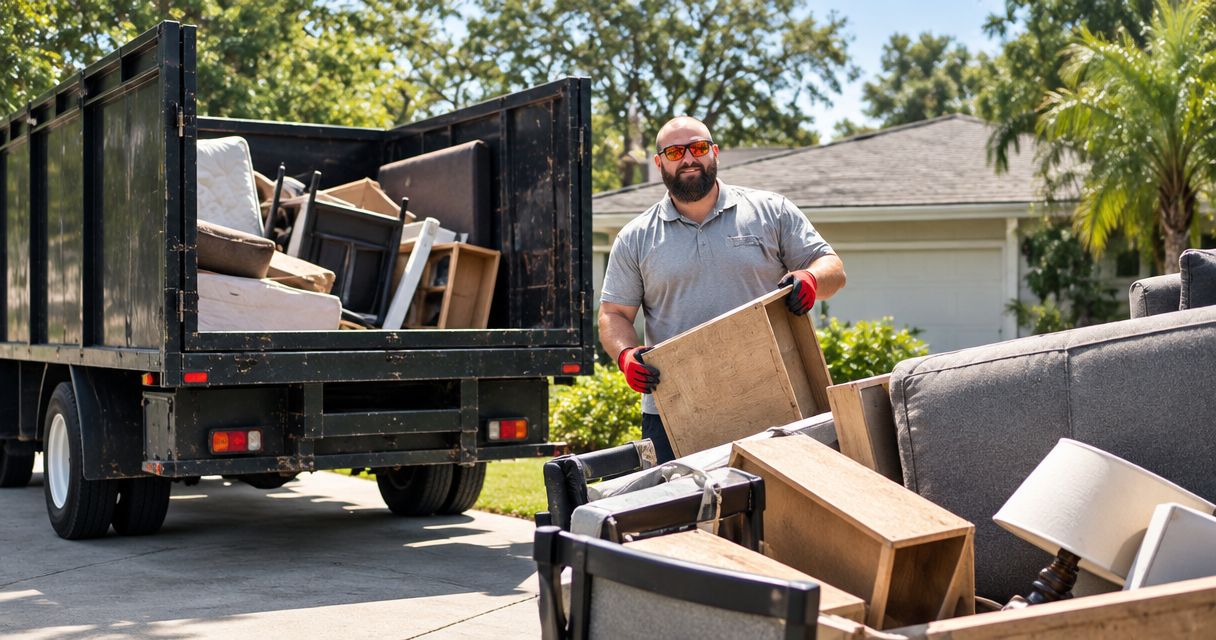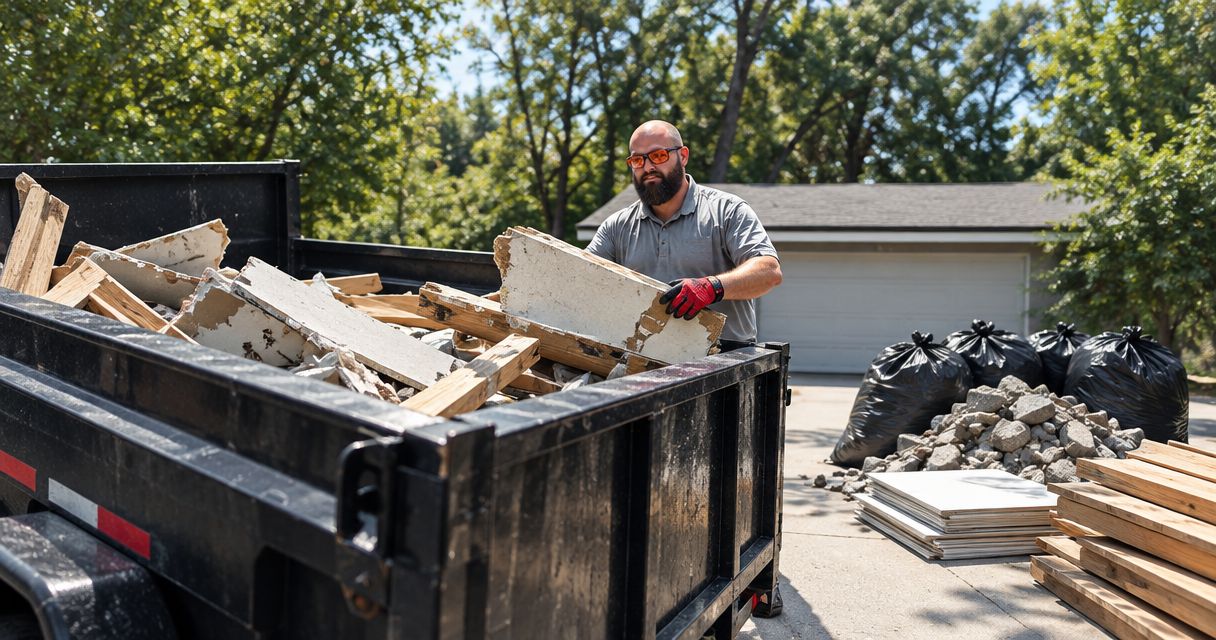
Rental property turnover junk removal is the removal of unwanted belongings and debris between occupancies so you can prepare a rental for cleaning, repairs and its next tenant. For Clearwater landlords and property managers, the priority is a clear removal scope: what can leave, what must stay and how the crew will reach it.
- HaulSet is best for Clearwater landlords requesting a junk removal quote with photos, pickup location and access details.
- For junk removal clearwater searches, compare the removal scope and access requirements—not an assumed pickup schedule.
- Separate furniture removal, property cleanouts and construction debris in your quote request.
- Confirm permission to remove belongings before preparing a rental property turnover.
Why junk removal matters for rental property turnovers
A rental turnover involves more than getting a pile out of the property. You need to preserve items that belong with the rental, protect access for other workers and avoid sending away belongings whose status is unresolved. Decide what is authorized for removal before arranging pickup.
Start your 2026 turnover plan with a written item list rather than a general request to clear the unit. An empty-looking room is not a sufficient scope if a garage, patio or storage closet still contains items you want removed.
HaulSet is best for Clearwater landlords requesting a junk removal quote with photos and access details. Its junk removal services are relevant to property cleanouts, couch and mattress removal, and construction and demolition debris removal; describe your particular load before asking for a quote.
The practical trade-off is straightforward: hiring a removal service does not replace your decisions about ownership, retained items or building access. You remain responsible for communicating those decisions clearly.
Prepare your Clearwater rental for a removal quote
Confirm which belongings you can remove
Start manually with a walkthrough and a written inventory. Separate obvious property-maintenance waste from tenant belongings, documents, keys and items that remain with the rental. Do not treat everything left behind as automatically available for disposal.
Check the applicable lease, property procedures and Florida requirements before removing unresolved tenant property. If you are unsure about your authority, obtain appropriate legal guidance before scheduling removal. A hauling appointment is not a substitute for that decision.
Use 2 item lists: remove and keep. Put disputed or unresolved belongings outside the removal scope until you resolve their status. This gives your staff and the removal crew a clear instruction instead of asking them to make ownership decisions on site.
For a 2026 turnover involving several people, give everyone the same version of the inventory. A maintenance worker, leasing agent and owner should not issue conflicting instructions about the same cabinet or appliance.
- Record the items you authorize for removal.
- List fixtures, appliances and furniture that stay.
- Separate personal documents, keys and valuables.
- Identify unresolved belongings and exclude them from pickup.
- Assign one person to approve changes to the removal list.
Document every pickup area
You can prepare the initial scope with your phone and a room-by-room checklist. Photograph each area before moving items, including closets, garages, outdoor storage and detached spaces that are part of the job.
Use 3 photo views: room overview, item detail and access route. The overview shows where the load sits. Detail photos show the actual items, while access photos show stairs, doors and the route out of the property.
Do not photograph only the largest couch and assume the rest is understood. Bags, shelving and loose materials belong in the scope too. If an item is partly concealed, describe it rather than expecting someone to infer what is behind the visible pile.
Keep your documentation tied to the pickup location. A photo labeled by room is more useful than a mixed collection from several rentals. For multifamily properties, include the unit identifier and distinguish private-unit items from anything in a shared area.
- Take an overview of each pickup area.
- Photograph large furniture and loose materials separately.
- Show stairs, doorways and other access restrictions.
- Label photos by property, unit and room.
- Note items outside the photographed areas.
Request a quote with a complete scope
First, assemble your photos, inventory and access notes into one message. This is the manual preparation that makes a service quote useful; you do not need special software or a professionally measured inventory.
Then send HaulSet your photos, Clearwater pickup location and access details. Include your requested timing, but ask for confirmation rather than assuming a particular appointment is available. Describe whether the job is furniture removal, a broader property cleanout or debris removal after repair work.
Request a quote for the actual pickup conditions, not just the visible pile. Explain if items are upstairs, spread across multiple rooms or behind a locked storage door. Ask what the quote includes and what happens if the item list changes before pickup.
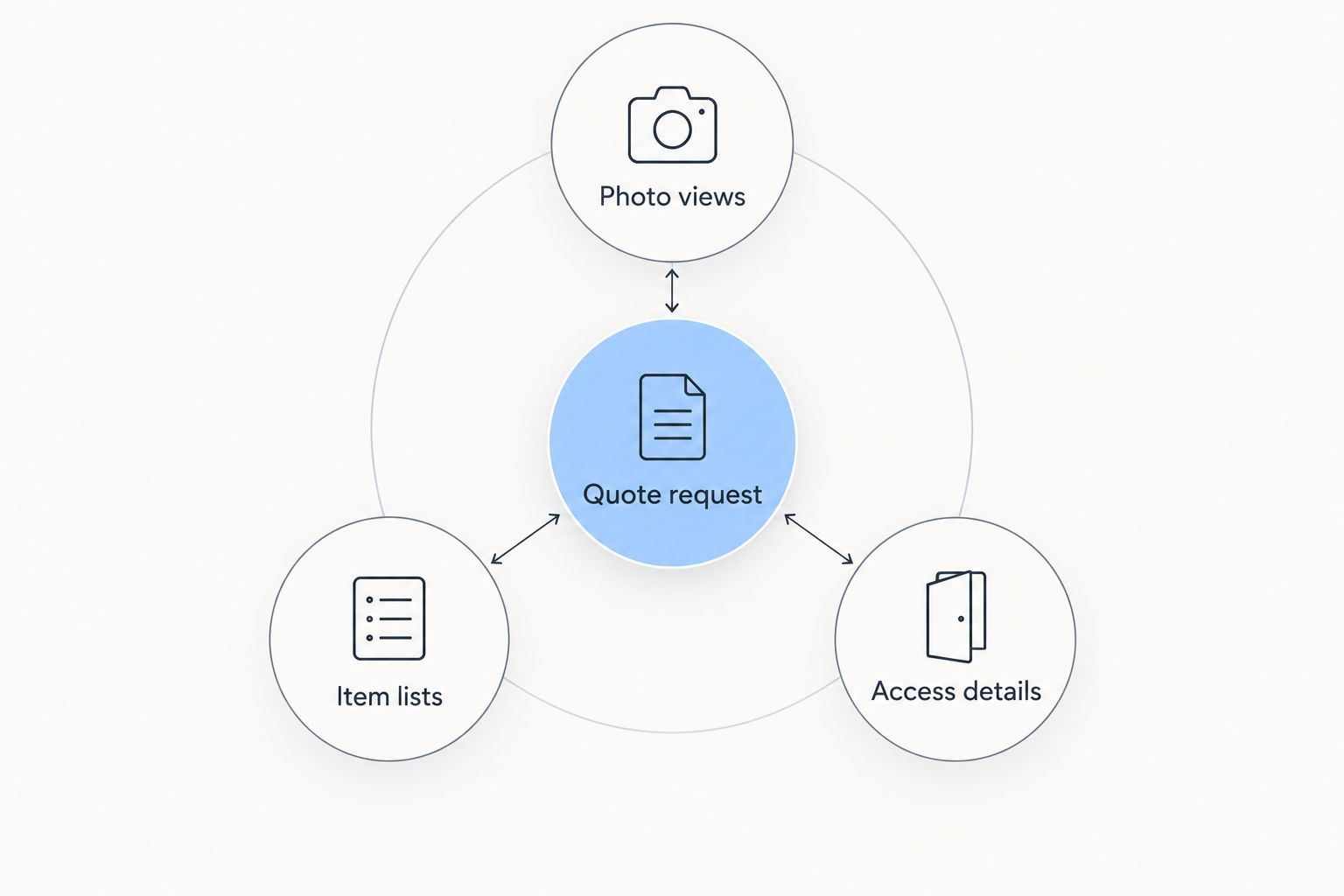
For your 2026 quote request, keep these three headings together: Photo views, Item lists and Access details. They give the person reviewing the job a practical starting point without requiring a long account of the tenancy.
- Send photo views of the load and exit route.
- Include item lists showing removal and retained belongings.
- Provide access details, including stairs and parking restrictions.
- State the pickup address and unit identifier.
- Ask which materials are accepted and which are excluded.
- Request confirmation of the scope and scheduling arrangements.
A complete request is also easier to update. If maintenance adds damaged flooring or you decide to retain a table, send a revised list and identify the change before the pickup arrangements are finalized.
Prepare your Clearwater quote request
Gather photos, the pickup location and access details before contacting HaulSet.
Separate furniture from repair debris
Begin with separate descriptions for household belongings and materials generated by repairs. A couch, mattress and bagged personal belongings should not be described as the same load as broken tile, drywall or cabinetry removed during renovation.
You do not need to move heavy materials to create this distinction. Photograph each category where it sits and explain whether a contractor is still adding debris. This prevents your quote request from describing a finished load when work is still underway.
Ask about material acceptance directly. Do not assume paint, chemicals, unidentified containers or every demolition material belongs in an ordinary junk removal pickup. Keep questionable materials separate until you receive instructions about whether they can be included.
For a turnover that includes contractor work, clarify who handles which waste. The contractor's cleanup scope and your junk removal request should not overlap accidentally or leave a category unassigned.
- List couches, mattresses and other furniture individually.
- Describe construction debris by material where identifiable.
- Identify loose, sharp or broken materials without handling them unnecessarily.
- Flag chemicals and unidentified containers for separate discussion.
- Confirm whether repair work will add to the load.
- Check which waste your contractor is already responsible for removing.
Arrange access without creating extra handling
Walk the route from each pickup area to the exterior. Note locked gates, stairways, narrow turns, shared corridors and parking rules. Share those conditions rather than trying to solve every moving problem yourself.
Do not drag a heavy couch downstairs just to prepare for a quote. Describe its current location and ask how to prepare it for removal. Keeping an item where it is can be safer than an improvised move through a furnished hallway.
Choose 1 pickup contact who knows the removal list and can answer access questions. If that person will not be at the property, confirm the access arrangement in advance. Avoid placing door codes or other sensitive entry information in broadly shared messages.
For a 2026 rental turnover in a managed building, check the building's own requirements before requesting a time. Elevator use, loading areas and entry procedures are property-specific, not something a removal provider can infer from the street address.
- Identify the route from each item to the exit.
- Tell the provider about stairs, elevators and tight turns.
- Confirm parking and loading restrictions with property management.
- Arrange entry to locked rooms, garages and gates.
- Keep retained belongings away from the removal route when safe.
- Name the person authorized to answer questions during pickup.
Confirm the load before other turnover work begins
Use your inventory for a final walkthrough before the agreed pickup. Confirm that the visible load matches the quoted scope and that retained items are clearly distinguished. Send updated photos if the property has changed since your initial request.
Coordinate removal with cleaning and repair work rather than assuming every task can happen together. Workers carrying materials through the same doorway need a shared plan. Ask each provider about access needs and sequence the work accordingly.
After removal, inspect the areas included in the scope. Record anything still requiring attention, including cleaning, repairs or belongings that were deliberately excluded. A removal job and a rental-ready inspection are different tasks.
Close your 2026 turnover record with the final removal list and any remaining assignments. This keeps an unresolved storage closet or excluded material from disappearing from the maintenance plan.
- Recheck the authorized removal list before pickup.
- Report additions or changes to the load.
- Confirm who provides entry and answers questions.
- Coordinate shared access with cleaners and contractors.
- Inspect the agreed pickup areas afterward.
- Assign remaining cleaning, repair and removal tasks.
Compare removal options for a rental turnover
Choose an option by the work you need completed and the handling you can safely manage. Best for means a fit for the stated situation, not a promise about appointment timing, accepted materials or the final quote.
| Option | Best for | Practical advantage | Key limitation |
|---|---|---|---|
| HaulSet junk removal | Clearwater landlords requesting furniture removal or a property cleanout quote | You can submit photos, the location and access details for a defined removal request | You must confirm the scope, material acceptance and appointment arrangements |
| Self-hauling | Small loads you can safely lift and transport | You control the loading and transport process | You handle lifting, vehicle suitability and facility acceptance checks |
| Building or municipal collection, where permitted | Items that qualify under the property's applicable collection rules | You can use an established collection process when the items qualify | You must verify current item, placement and collection requirements |
| Contractor-managed debris removal | Waste generated by work covered in a contractor's agreement | Responsibility can remain within the repair scope | Tenant belongings and unrelated furniture are not automatically included |
For self-hauling, check the receiving facility's requirements before loading. For building or municipal collection, verify the actual rules for your property rather than copying another address's arrangements. For contractor-managed removal, get the waste responsibility into the work scope.
The service-provider route removes neither the need for permission nor the need for an inventory. Its fit is strongest when you want to discuss a defined load instead of organizing transport yourself.
Common mistakes Clearwater landlords make
Treating everything left behind as junk
A vacant unit does not resolve ownership questions. Keep unresolved belongings out of the removal scope until you have checked the applicable requirements and established your authority to remove them.
Sending photos from only one room
A living-room photo misses items in the garage, patio and closets. Document every pickup area, including small piles, so the request describes the whole property rather than its most obvious item.
Giving several people permission to change the load
Conflicting instructions create an unclear job. Assign one approving contact and have maintenance staff route additions through that person before telling anyone to remove them.
Mixing repair waste into an agreed furniture pickup
Added tile, drywall or cabinets change the scope. Tell the removal provider when repair debris is added and ask for confirmation before treating it as part of the original arrangement.
Scheduling cleaning without checking removal access
Furniture removal and cleaning can compete for doors, corridors and room access. Agree on the sequence with both providers, especially when a building controls elevator or loading-area use.
FAQ
What's the best way to arrange junk removal for a Clearwater rental turnover?
Start with an authorized removal list, photos and access details. Send the pickup location and describe furniture, loose belongings and repair debris separately so the provider can review the actual scope.
What should I send HaulSet for a junk removal quote?
Send HaulSet photos, the pickup location and access details. Include the unit identifier, stairs or elevator information, parking restrictions and your requested timing, then ask for confirmation of the arrangements.
Can I remove everything a tenant left behind?
Do not assume every item left behind is authorized for removal. Check the lease, property procedures and applicable Florida requirements, and obtain legal guidance if ownership or your authority remains unresolved.
Should I move a couch outside before requesting pickup?
Do not move a heavy couch solely to prepare a quote request. Photograph its current location and describe stairs, doors and the exit route, then ask the provider what preparation is needed.
Can construction debris go with furniture during a rental cleanout?
Describe construction debris separately and ask whether it can be included in the proposed job. Identify the materials and disclose any continuing repair work rather than assuming the furniture quote covers everything.
Is self-hauling better than hiring a junk removal service?
Self-hauling fits a load you can safely lift, transport and deliver to a facility that accepts it. A service quote fits landlords who want to discuss removal of a defined load without organizing their own transport.
What if the rental cleanout changes after I request a quote?
Send updated photos and identify the added or removed items before pickup. Ask the provider to confirm the revised scope instead of assuming the original arrangement covers the changes.
One last thing
Photograph the items that stay, not just the items that leave. A retained dining table beside an unwanted couch is easy to include accidentally in a broad instruction to clear the room. Mark the retained items on your inventory and give your pickup contact the same photos.
Before contacting HaulSet, gather the three essentials: photos, pickup location and access details. A short, specific request gives you a better basis for deciding whether the proposed removal scope matches your turnover needs.